

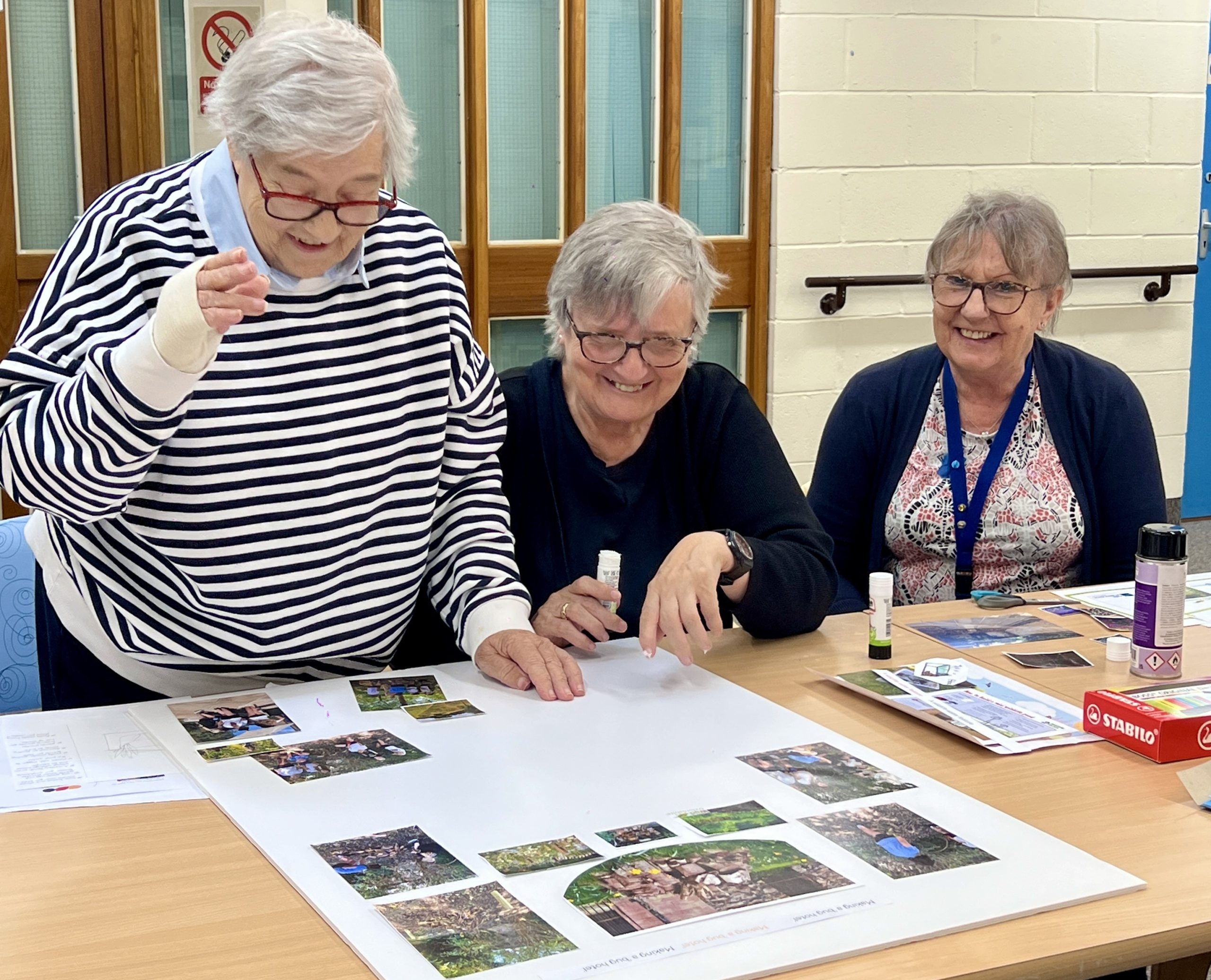
This year, starting in March, with grant funding from Sovereign Network Group, we have been working with residents at Oakwood House (Housing for Older People), Faringdon and local children from the Elms Primary School to improve communal outdoor spaces at the older people’s housing by engaging with nature and increasing biodiversity though wildlife gardening.
 One of Community First Oxfordshire’s four strategic aims is to support and energise communities to positively respond to the climate and ecological crises.
In 2025, we received funding from Vale of White Horse Climate Action Fund and organised a number of activities in Faringdon to support and encourage local people to get involved in nature recovery and climate action. Working with our partners Wild Oxfordshire and local green groups, activities included a wildlife gardening talk, primary school assembly, bat walks and a wildlife wander to explore less well known green spaces in the town including All Saints Churchyard, the Allotments and the Wilderness.
This project started with a talk on wildlife gardening by Wild Oxfordshire followed by sessions around the design and planting plan for the outside spaces. The areas have been co-designed by the residents and children, guided by Wild Oxfordshire’s practical advice on how to help nature flourish.
Intergenerational chats have raised awareness of the impacts of climate change on local habitats such as the loss of bird and insect species, and how these might be mitigated in a small way through the approaches we are taking in transforming the outdoor areas.
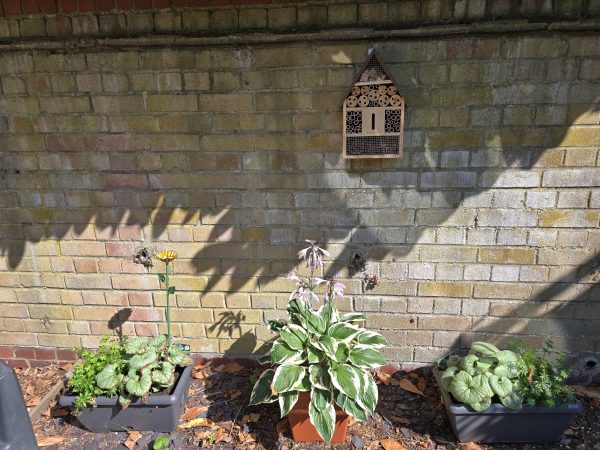
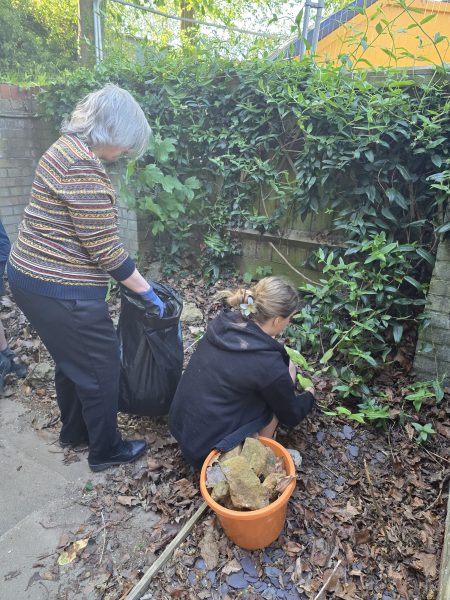 For example, we have chosen plants that attract pollinators and are suitable for a courtyard in full sun and a shadier rockery. We have used peat free compost to fill planters that have been made from recycled wood by local volunteers at the Highworth Community Shed. We have upcycled an old sink to create a water feature for wildlife and made a large bug hotel.
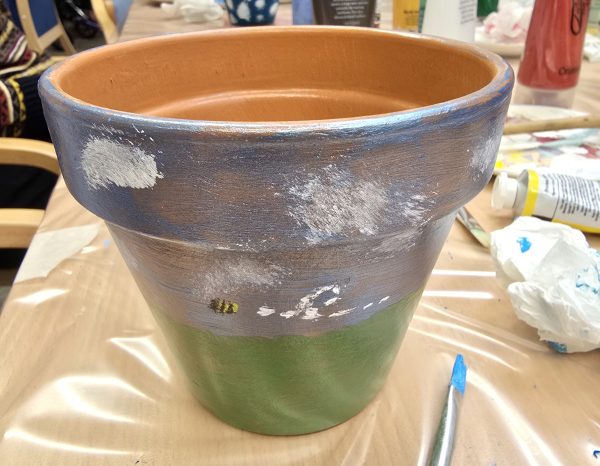
Activities such as painting plant pots to plant with wild flower seeds have engaged all ages in nature based creative play. Children and residents alike have enjoyed their time together, sharing experiences and learning from each other as they work side by side on a shared goal.
“Being with wildlife and helping wildlife to survive different seasons is what I have enjoyed,” one child said.
A resident added: “I don’t think this happens very much, does it, in our community? I think these things happened years ago and we used to do this, but it doesn’t happen so much now, so this is really nice.”
Highlights have included planting up a new rockery and establishing a new seating area which have transformed underused spaces into colourful and appealing places where residents can meet up and socialise.
A resident said: “We’ve got to know each other better and socialised more. We’re a gardening group now”.
Fruits of their labour
 On 16 September residents welcomed visitors to Oakwood House to see the fruits of their labour. Large display boards put together by residents, told the story of the project with colourful photos and drawings. Visitors were given a tour, which included the restored outdoor spaces as well as the bug hotel and nature friendly water feature. The newly formed gardening group are determined to continue the good work and have lots of ideas for more improvements in the months to come.
Keen to share what they had learnt, the children who had participated in the project created a poster with top tips for wildlife gardening and celebrated their achievements at a school assembly. Copies of the poster were distributed to all children at the school, to encourage them to have a go in their own back gardens.
The poster is available to download here.
Awareness and wellbeing
Small nature projects that protect and enhance nature are an accessible way for people to feel they can make a contribution to tackling climate change. They also generate positive feelings and improved wellbeing, which we see on people’s faces and hear in the enthusiastic comments during and after the sessions.
Participants have:
- Learnt biodiversity skills and explored their creativity by designing and renovating the garden space with wildlife-friendly features.
- Improved outdoor areas to increase opportunities for socialising.
- Contributed to reducing waste through upcycling planters/sink/garden furniture.
Long-term benefits include:
- The creation of a wildlife garden that supports nature recovery/biodiversity.
- Better awareness of climate change, helping participants to make small changes to improve biodiversity, recycling and water use.
- Stronger connections with each other and across generations to increase community cohesion, reduce isolation and improve health/wellbeing.